
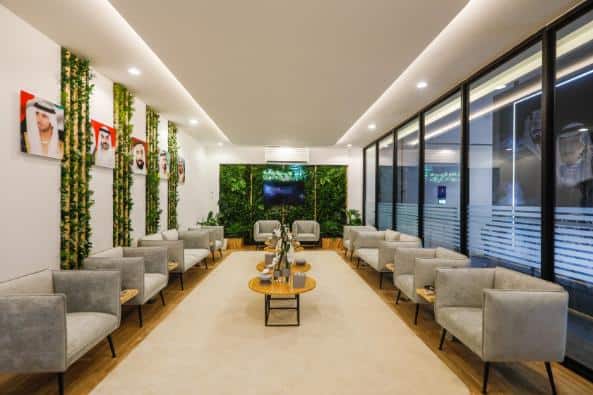
Light guides the eye before a visitor reads a single word. At an exhibition stand, brightness, colour, direction, and contrast work together to highlight products, frame messages, and define key areas. Smart lighting also supports movement across the space and gives displays a distinct presence. Experienced exhibition companies Dubai use these details to direct attention with purpose and precision.
Creating an inviting first impression
Visitors usually notice a stand before they decide to approach it. Exhibition teams use balanced illumination to make the space visible across a busy show floor. Bright entrances, illuminated branding, and clear product displays help a stand gain initial attention. The lighting stays consistent with the brand’s personality, so the visual impression feels intentional rather than random.
Using contrast to guide the eye
Contrast gives the eye a clear starting point. Designers place brighter fixtures beside darker surfaces to highlight selected products, graphics, or architectural features. A focused beam can draw attention toward a new product while softer surrounding light keeps the rest of the stand comfortable. This simple difference in brightness helps visitors quickly notice priority areas.
Highlighting products with focused light
Product displays benefit greatly from precise lighting. Adjustable spotlights direct illumination toward machinery, packaging, technology, artwork, or other featured items. The team selects beam angles according to product size and display position. Focused light also separates key products visually from surrounding elements, giving visitors a clear reason to pause and inspect the featured item.
Using color to support brand identity
Colour temperature influences the mood of an exhibition stand. Warm lighting can give a space a relaxed character, while cooler white light suits technology, healthcare, and contemporary product displays. Exhibition designers also use coloured LED lighting around logos, counters, walls, or display units. They select colours that support existing brand guidelines without making the stand visually overwhelming.
Directing attention through movement
Dynamic lighting adds another layer of visual interest. LED strips, programmed effects, and gradual brightness changes can guide visitors toward presentation zones or featured displays. Designers use movement sparingly because excessive effects can distract people. A subtle lighting sequence can attract attention at the right moment while keeping the stand polished and easy to view.
Large exhibition stands usually include several functional areas. Lighting helps distinguish meeting spaces, product sections, reception counters, demonstration zones, and storage areas. Brighter illumination can define active visitor zones, while softer lighting can give private meeting areas a calmer atmosphere.